1. Middle East Energy Market Overview
The Middle East remains the world's most important oil and gas production region, holding approximately 48% of global proven oil reserves and 38% of natural gas reserves. Countries including Saudi Arabia, UAE, Qatar, Kuwait, and Iraq maintain substantial production capacity serving global markets. The region's hydrocarbon wealth has enabled infrastructure development and economic diversification initiatives. Beyond conventional oil and gas, the Middle East possesses significant renewable energy potential, with Saudi Arabia's Vision 2030 driving ambitious solar and wind development targets. Drilling equipment demand reflects both exploration activity and development drilling to maintain and expand production capacity.
2. African Energy Resource Landscape
Africa's energy resources remain substantially underdeveloped relative to continental potential, with significant hydrocarbon deposits across North, West, and East Africa. North Africa including Algeria, Libya, and Egypt has established hydrocarbon industries serving both domestic consumption and export markets. West Africa particularly Nigeria and offshore Ghana and Senegal features significant deepwater hydrocarbon potential. East Africa including Mozambique and Tanzania has emerged as major natural gas province with LNG export potential. Southern Africa including South Africa and Botswana offers both hydrocarbon and coal bed methane opportunities.
3. Drilling Equipment Market Dynamics
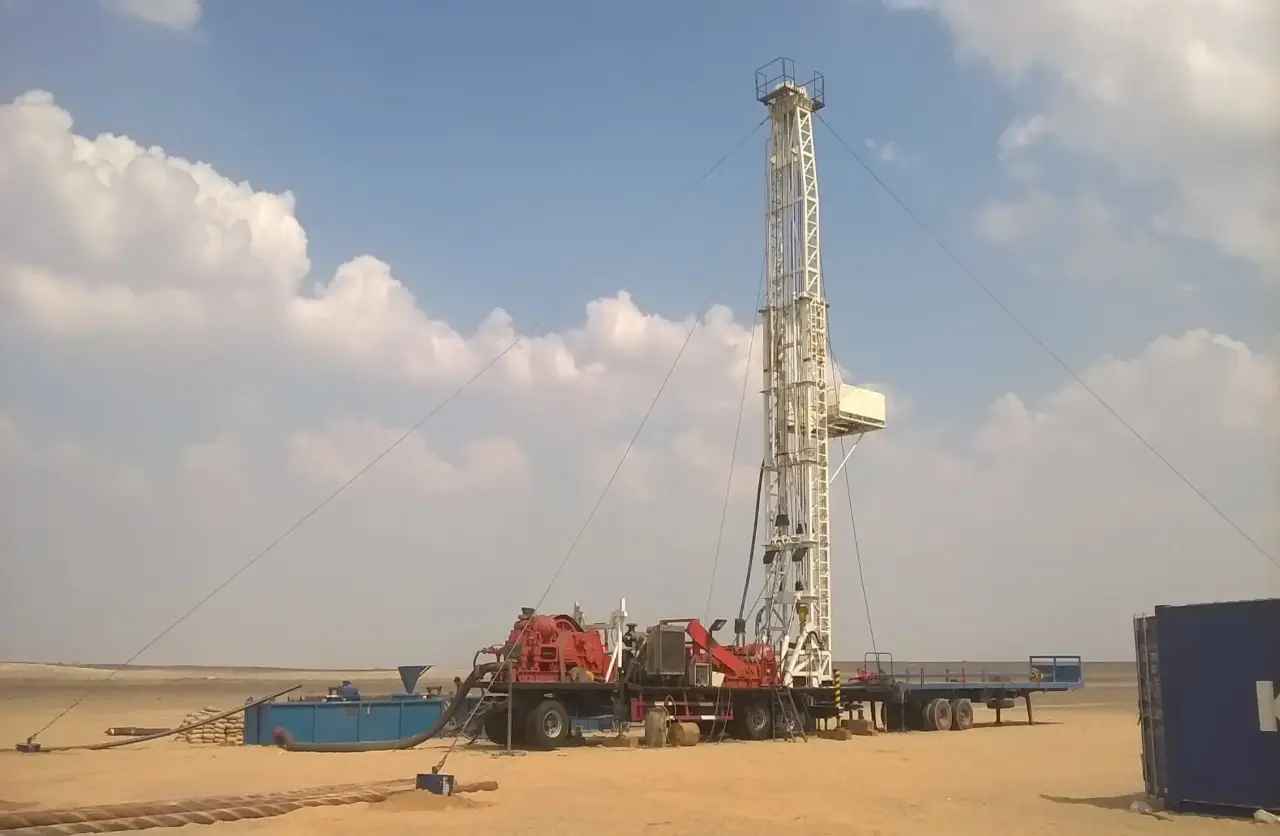
Regional drilling activity reflects combination of national oil company investment decisions, international oil company portfolio priorities, and service company capacity. Active rig counts serve as leading indicator of drilling activity levels and equipment demand. Contract duration and terms influence equipment procurement decisions, with longer contracts supporting capital investment in new equipment. Technology requirements vary by region, with deepwater markets requiring advanced equipment and mature basin work potentially utilizing older technology at lower day rates. Local content requirements increasingly mandate regional procurement and employment, influencing supply chain strategies.
4. Saudi Arabia and Gulf Markets
Saudi Arabia's oil and gas sector dominates regional drilling activity, with Saudi Aramco maintaining world's largest oil production capacity. Onshore drilling supports maintenance and development of mature fields requiring workover and secondary recovery operations. Offshore drilling in Gulf waters serves both conventional and unconventional resources. Megaprojects including Saudi Aramco's Marjan and Berri expansion programs drive substantial drilling equipment demand. The UAE and other Gulf states provide additional market opportunities with varying regulatory frameworks and local content requirements.
5. East African Hydrocarbon Development
East Africa has emerged as significant natural gas province with major discoveries in Mozambique's Offshore Area 1 and Tanzania's Songo Songo development. Mozambique LNG development represents among largest global upstream projects with substantial drilling requirements for development and infill wells. Tanzania gas development including Songo Songo and Mnazi Bay fields serves domestic market and export opportunities. Offshore exploration continues across East African margin with additional discoveries anticipated. Regional development faces infrastructure constraints and capability development needs that create opportunities for equipment and service providers.
6. North African Market Characteristics
North African hydrocarbon markets including Algeria, Libya, Egypt, and Tunisia present distinct opportunity sets reflecting regional circumstances. Algeria maintains substantial gas production serving domestic consumption and export to Europe, with exploration activity focused on new discoveries to offset declining mature fields. Egypt has revitalized exploration activity following offshore Zohr discovery, with Mediterranean deepwater and onshore conventional opportunities. Libya possesses significant hydrocarbon potential constrained by security and political factors limiting current production below capacity. Regulatory frameworks vary across jurisdictions, requiring careful commercial analysis before market entry.
7. West African Deepwater Market
West Africa's deepwater province includes some of the world's most significant recent discoveries and development projects. Nigerian deepwater including Bonga and Erha developments demonstrates regional deepwater capability with ongoing expansion and new projects. Offshore Ghana with Jubilee field and subsequent discoveries represents emerging deepwater province with substantial remaining potential. Senegal and Mauritania cross-border GTA development represents major deepwater gas project with regional significance. Angola maintains active deepwater drilling serving global supply while mature basins require continued development and workover activity.
8. Mining Sector Opportunities
Beyond hydrocarbons, African mining sector offers substantial opportunities for mining equipment suppliers and service providers. Copper belt mining across Zambia and Democratic Republic of Congo represents significant copper and cobalt production serving global markets. Gold mining in Ghana, South Africa, Tanzania, and Mali constitutes major gold production regions with ongoing exploration and development activity. Bauxite and aluminum in Guinea and West Africa supports aluminum industry supply chains. Phosphate mining in Morocco and Western Sahara serves global agricultural inputs demand with substantial expansion potential.
9. Market Entry Considerations
Successful market entry requires careful analysis of commercial, regulatory, and operational factors unique to each jurisdiction. Local partner selection significantly impacts operational success, regulatory navigation, and relationship development. Visa and work permit processes for personnel deployment require advance planning given varying requirements across jurisdictions. Customs and import procedures for equipment and spare parts import require documentation and patience for clearance processes. Tax and repatriation considerations require professional local advisory support to ensure compliance and optimize financial structure.
10. Strategic Recommendations
Market participants should approach Middle East and Africa opportunities with realistic expectations and thorough preparation. Relationship investment in market development requires sustained commitment over years rather than quarters. Capability building through local employment, training, and supplier development supports long-term competitive positioning. Risk management through insurance, contract structure, and commercial terms protects against inherent market uncertainties. Diversification strategy across multiple markets and sectors reduces concentration risk while building regional presence. SHUZHIHUI Energy maintains relationships across Middle East and Africa supporting customer market development activities.
SHUZHIHUI Energy is committed to supporting energy sector development across Middle East and Africa with quality equipment and localized service capabilities.