1. Maintenance Philosophy and Importance
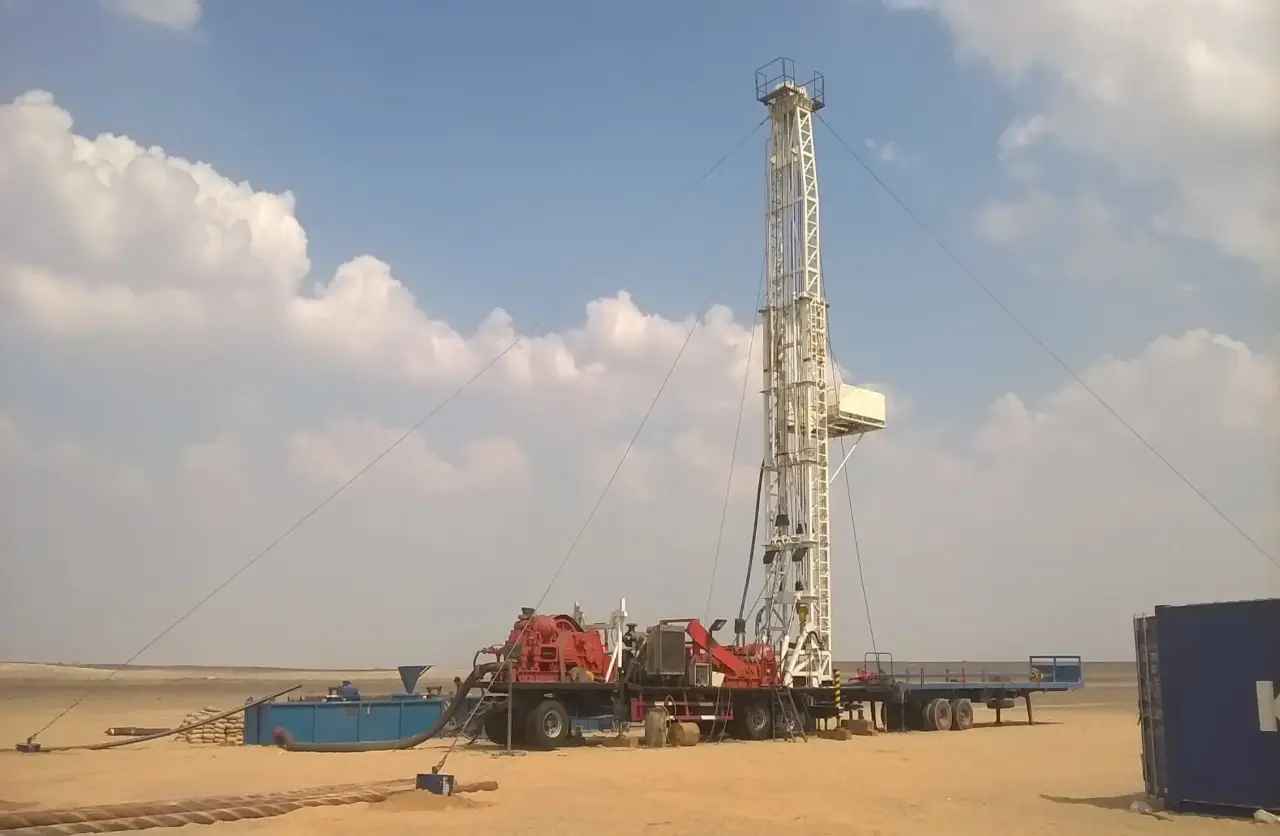
Effective maintenance practices determine drilling equipment reliability, operational efficiency, and total ownership cost throughout equipment lifespan. Poorly maintained equipment experiences higher failure rates, reduced drilling productivity, and potentially catastrophic breakdown costs that far exceed preventive maintenance investments. This manual provides systematic maintenance guidance for drilling rig operators, emphasizing proactive maintenance approaches that identify and address issues before they cause operational disruptions. Professional maintenance programs typically reduce unplanned downtime by 50-70% compared to reactive maintenance approaches.
2. Daily Maintenance Procedures
Daily maintenance tasks form the foundation of equipment reliability. Engine maintenance includes oil level and quality inspection, coolant level check, and air filter condition examination. Engine oil should be checked before each shift—dark or gritty oil indicates necessary changes. Hydraulic system inspection verifies fluid levels, checks for leaks at fittings and cylinders, and confirms proper operation of hydraulic controls. Mud pump inspection examines packing glands, suction hoses, and discharge lines for wear or leakage. Rotary head examination checks for unusual noise, heat generation, or vibration indicating bearing issues.
3. Weekly Maintenance Program
Weekly maintenance extends inspection to components requiring less frequent attention. Mud pump servicing includes packing adjustment, valve inspection, and fluid change if warranted by condition. Brake system verification confirms holding capability and proper adjustment of crown and foot brakes on the drawworks. Mast and derrick inspection examines structural members for deformation, cracks, or corrosion, with particular attention to connection points and stress concentrations. Electrical system check verifies battery condition, charging system performance, and lighting function.
4. Mud System Maintenance
Mud system reliability directly impacts drilling efficiency and hole quality. Shale shakers require regular screen inspection for tears, blinding, or wear that reduces solids separation efficiency. Centrifugal pumps used for mud mixing and transfer need bearing lubrication and seal inspection. Mud tanks should be inspected for accumulation of drilled solids that reduce effective volume and cause sand settling. Mixing equipment including agitators and colloidal mixers require bearing and seal maintenance. Maintaining clean mud properties reduces hole problems and extends bit life.
5. Rotating Equipment Maintenance
Rotating equipment experiences high stress loads requiring systematic maintenance attention. Top drive systems require regular inspection of gear boxes, drive motors, and shaft seals, with oil analysis providing early warning of wear conditions. Rotary table maintenance includes master bushing and drive bushing inspection, with regular lubrication of rotating elements. Kelly and kelly bushing wear patterns indicate alignment issues or lubrication problems requiring correction. Pipe handling equipment including iron roughnecks and pipe trippers require hydraulic system maintenance and structural inspection.
6. Drill String and Downhole Tool Maintenance
Drill string failures cause significant non-productive time and present safety hazards. Drill pipe inspection should follow industry standards (API RP 7G or equivalent) with particular attention to tool joint wear, connection damage, and pipe body fatigue. Drill collars require magnetic particle inspection to detect surface cracks in high-stress areas. Stabilizers and downhole motors need bearing inspection and seal replacement per manufacturer schedules. Logging while drilling (LWD) and measurement while drilling (MWD) tools require specialized maintenance by qualified service providers.
7. Spare Parts Management
Effective spare parts management balances equipment availability against inventory carrying costs. Critical spares identification prioritizes parts whose unavailability causes complete equipment shutdown. Consumables scheduling includes drill bits, mud pump valves, seals and other wear items, maintaining sufficient stock based on usage rates. Lead time management ensures parts ordered from international suppliers arrive before stock depletion. Parts documentation maintains records of part numbers, sources, and specification requirements for efficient procurement. SHUZHIHUI Energy maintains parts supply agreements supporting timely procurement for drilling equipment customers.
8. Troubleshooting Common Issues
Systematic troubleshooting methodology enables efficient diagnosis of equipment problems. Engine performance issues typically originate from fuel system, air intake, or cooling system deficiencies—symptoms guide systematic elimination of potential causes. Hydraulic system faults manifest through slow operation, erratic movement, or unusual noise—pressure measurement at key points isolates circuit sections requiring attention. Mud pump problems often announce themselves through reduced flow, excessive vibration, or cylinder temperature rise. Electrical system faults require systematic circuit tracing with appropriate testing equipment.
9. Environmental and Safety Considerations
Maintenance operations present safety hazards requiring appropriate procedures and protective equipment. Lockout-tagout procedures must isolate equipment energy sources before maintenance intervention. Hot work precautions apply when welding, cutting, or grinding generates ignition sources in areas with flammable materials. Heavy lifting operations require appropriate lifting devices and qualified riggers to prevent injury from suspended loads. Chemical handling for lubricants, cleaning solvents, and mud additives requires appropriate personal protective equipment and handling procedures.
10. Maintenance Records and Continuous Improvement
Maintenance documentation enables performance tracking and procedure refinement. Daily maintenance logs record all inspections, service activities, and observed conditions for trend analysis. Repair records document parts replacement, adjustment activities, and operational implications of equipment conditions. Failure analysis identifies root causes of equipment failures to prevent recurrence through design changes, procedure modifications, or enhanced inspection. Performance metrics including mean time between failures (MTBF) and equipment availability percentages guide maintenance program effectiveness evaluation.
SHUZHIHUI Energy provides comprehensive technical support and spare parts services for drilling equipment maintenance, supporting customer operational excellence.