1. Introduction to Water Well Drilling Equipment
1.1 Market Overview and Application Scenarios
Water well drilling rigs are essential equipment for groundwater resource exploration and extraction, widely used in municipal water supply, agricultural irrigation, industrial production, and residential water needs. With increasing global water scarcity and rising investment in groundwater development, selecting the appropriate drilling equipment has become a critical decision for project success and long-term operational efficiency.
The water well drilling equipment market offers diverse solutions ranging from small-diameter shallow wells (typically 100-300 meters) to large-diameter deep wells (exceeding 1000 meters). Different geological conditions—including soft soil layers, rock formations, and high-hardness rock layers—demand specific drilling technologies and equipment configurations to ensure optimal drilling efficiency and cost-effectiveness.
1.2 Types of Water Well Drilling Rigs
| Rig Type | Drilling Depth Range | Applicable Formations | Key Advantages |
|---|---|---|---|
| Rotary Drilling Rig | 100-3000m | Soft soil, sand, gravel, moderately hard rock | High efficiency, stable operation, wide application range |
| DTH (Down-The-Hole) Hammer Rig | 50-800m | Hard rock, granite, basalt | Fast drilling in hard formations, low bit wear |
| Mud Pump Drilling Rig | 100-6000m | Various formations including soft and hard rock | Strong formation adaptability, good hole cleaning |
| Air Lift Reverse Circulation Rig | 100-500m | Unconsolidated formations, gravel layers, karst areas | Excellent sample quality, high drilling speed in loose formations |
2. Key Factors in Rig Selection
2.1 Drilling Depth Requirements
Determining the appropriate drilling depth capacity is the foremost consideration in rig selection. Projects requiring wells deeper than 500 meters typically demand rotary drilling rigs with robust torque systems and high-capacity mud pumps. Shallow wells under 200 meters can often be achieved with more compact and cost-effective truck-mounted or trailer-mounted rigs.
Technical Recommendation: Select a rig with maximum depth rating at least 20% greater than your target well depth to accommodate unexpected geological challenges and provide operational flexibility. For regional water tables fluctuating significantly, choosing equipment with deeper capability provides important risk mitigation.
2.2 Geological Conditions Assessment
Understanding local geology is essential for choosing the right drilling method and equipment configuration. Different formations present unique challenges that directly impact drilling efficiency, bit selection, and operational costs.
- Sedimentary Formations: Clay, sand, and gravel layers require different mud properties and bit types; high-frequency tooling changes may be necessary
- Fractured Bedrock: Requires careful mud weight management to prevent formation damage and maintain well stability
- Karst Terrain: Characterized by cavities and solution features; requires specialized equipment to handle lost circulation zones
- Volcanic Rock Formations: Requires DTH hammer or rotary drilling with PDC bits due to high hardness and abrasiveness
2.3 Hole Diameter and Casing Requirements
Water well diameters typically range from 4 inches (100mm) for domestic use to 24 inches (600mm) or larger for agricultural irrigation and industrial applications. The target casing size determines the minimum drill bit diameter and influences rig capacity requirements for hoist systems and mud circulation.
| Well Purpose | Typical Diameter | Common Casing Size |
|---|---|---|
| Residential/Domestic | 4-6 inches | 4" or 6" PVC/Steel |
| Agricultural Irrigation | 8-16 inches | 8" - 12" Steel or PVC |
| Industrial/Municipal | 12-24 inches | 12" - 20" Steel |
3. Equipment Types and Technical Specifications
3.1 Truck-Mounted Drilling Rigs
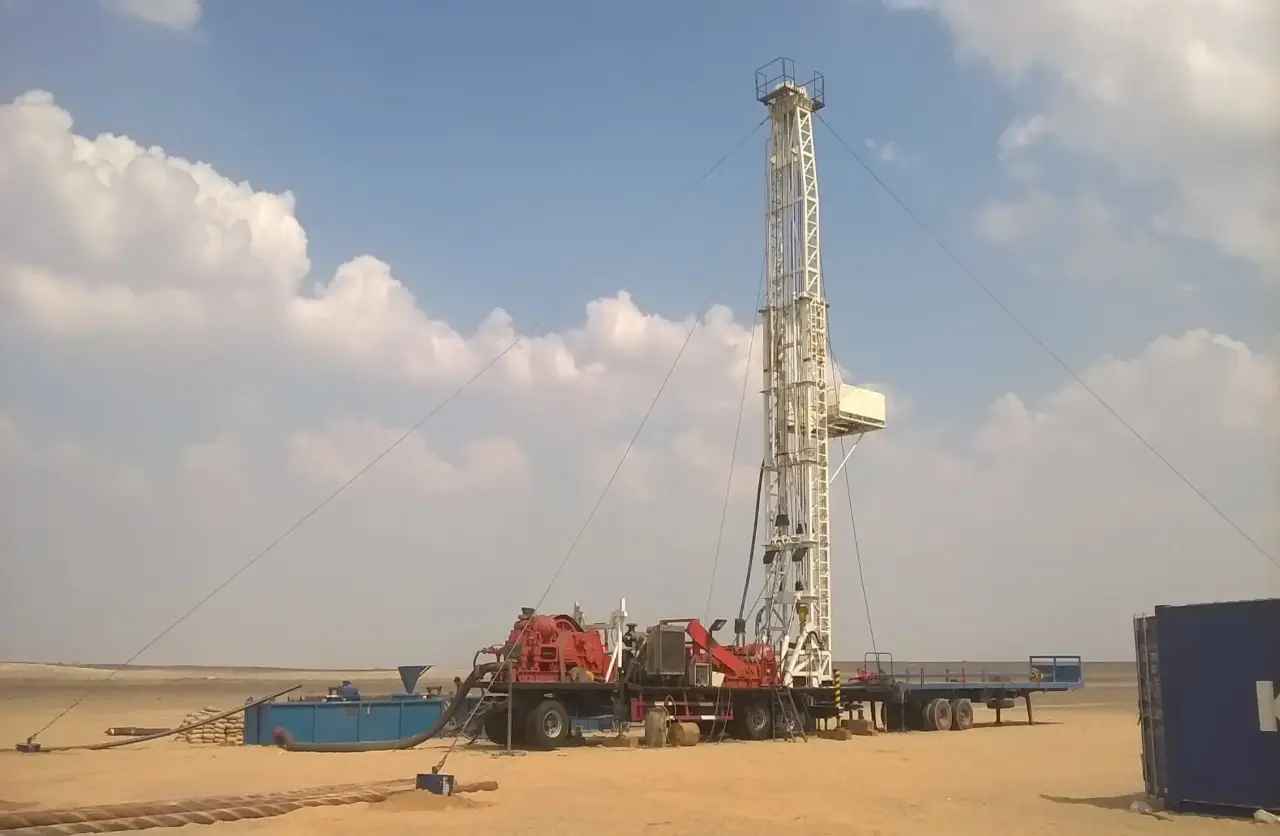
Truck-mounted water well drilling rigs offer excellent mobility and are ideal for projects requiring frequent relocation between multiple drilling sites. These units typically combine a carrier vehicle with an integrated drilling package, featuring hydraulic controls and automated pipe handling systems that significantly improve operational efficiency.
Modern truck-mounted rigs from manufacturers like INSTRUMENTS, Lianyungang, and Hebei Boda offer depth capacities ranging from 100 meters to 1500 meters, with rotary torque ratings from 8,000 to 45,000 Nm. Key specifications to evaluate include maximum hoisting capacity, mud pump flow rate, and the rig's footprint dimensions for operation in confined areas.
3.2 Crawler-Mounted Drilling Rigs
Crawler-mounted drilling rigs provide superior stability and ground pressure distribution, making them suitable for soft terrain conditions where truck-mounted equipment would become immobilized. These rigs can traverse slopes up to 15-20 degrees and operate effectively in remote locations with limited infrastructure.
Typical Applications: Mountainous regions, desert areas, wetlands, and construction sites with uneven terrain. Crawler rigs commonly feature GPS-based leveling systems and automated verticality control to maintain precise hole alignment throughout the drilling process.
3.3 Skid-Mounted and Containerized Systems
For permanent or semi-permanent water well installations, skid-mounted and containerized drilling systems offer advantages in stability, maintenance accessibility, and weather protection. These configurations are particularly popular in mining operations, military installations, and remote industrial facilities where drilling operations may continue for extended periods.
4. Investment Analysis and Cost Considerations
4.1 Equipment Investment Levels
Water well drilling equipment represents a significant capital investment, with costs varying substantially based on capacity, automation level, and manufacturer reputation. Understanding the total cost of ownership—including initial purchase, operational costs, and maintenance—enables more informed procurement decisions.
| Rig Category | Price Range (USD) | Typical Depth Capacity | Best Suited For |
|---|---|---|---|
| Entry-Level Portable | $30,000 - $80,000 | 100-300m | Small contractors, rural water projects |
| Mid-Range Truck-Mounted | $150,000 - $400,000 | 300-1000m | Municipal contractors, agricultural operations |
| Heavy-Duty Industrial | $500,000 - $1,500,000+ | 1000-3000m+ | Large municipal projects, mining water supply |
4.2 Operational Cost Optimization
Beyond initial equipment costs, operational expenses including fuel consumption, drill bit replacement, mud chemicals, and labor represent ongoing investments that significantly impact project economics. Selecting equipment with proven reliability and availability of spare parts reduces costly downtime and maintains project schedules.
Cost-Saving Strategies: Implement thorough pre-project geological surveys to optimize drill bit selection; maintain consistent mud properties to prevent formation damage; establish relationships with multiple bit suppliers to ensure competitive pricing and timely delivery.
5. Technical Requirements and Standards
5.1 Safety and Environmental Compliance
Modern water well drilling operations must comply with increasingly stringent environmental regulations regarding groundwater protection, surface water management, and workplace safety. Equipment selection should account for applicable regional standards and best management practices for drilling fluid containment and waste disposal.
- Groundwater Protection: Use of environmentally friendly drilling fluids, proper well sealing and grouting procedures
- Noise Reduction: Compliance with local noise ordinances, especially in residential areas
- Dust Control: Adequate ventilation and dust collection systems for arid operating environments
5.2 Quality Assurance and Testing
Professional water well installations require systematic quality assurance throughout the drilling and completion process. This includes geophysical logging to verify formation characteristics, pumping tests to assess well yield, and water quality sampling to ensure compliance with drinking water standards.
6. Manufacturer Evaluation and Procurement
6.1 Key Selection Criteria for Equipment Suppliers
When evaluating drilling equipment manufacturers, consider factors beyond initial purchase price. Comprehensive after-sales support, including technical training, spare parts availability, and field service capability, often proves more valuable than marginal price differences.
- Manufacturing Experience: Years of industry presence and track record in water well equipment
- Technical Documentation: Availability of detailed operation manuals, maintenance guides, and parts catalogs
- Service Network: Regional service centers and responsive technical support channels
- Customization Capability: Ability to modify standard configurations for specific project requirements
6.2 Total Cost of Ownership Analysis
A comprehensive TCO analysis should factor in equipment reliability, expected operational lifespan, resale value, and the cost implications of potential downtime. Premium equipment with higher initial cost often delivers superior value through improved productivity, reduced maintenance requirements, and better resale prospects.
7. Case Studies and Practical Applications
7.1 Agricultural Irrigation Project Selection
A large-scale agricultural irrigation project in Sub-Saharan Africa required 50 water wells ranging from 150-350 meters depth in varied geological conditions including laterite, sandstone, and fractured basement rock. The project selected medium-depth rotary drilling rigs with DTH hammer compatibility, enabling efficient drilling through diverse formations while maintaining reasonable equipment transport costs.
Results demonstrated 23% faster drilling cycles compared to single-method approaches, with equipment demonstrating reliable performance across 18 months of continuous operation in challenging remote field conditions.
7.2 Municipal Water Supply Project
A municipal water supply project in South Asia needed deep production wells exceeding 800 meters to access reliable aquifer zones. Heavy-duty truck-mounted rotary rigs with 1500-meter depth capacity and automated pipe handling systems were deployed, achieving consistent drilling rates of 15-20 meters per day in hard rock formations.
8. Selection Checklist Summary
Before finalizing water well drilling equipment selection, verify that your chosen solution addresses the following critical considerations:
- Depth Requirements: Maximum rated depth exceeds project target by 20% minimum
- Formation Compatibility: Drilling method suited for anticipated geological conditions
- Mobility Requirements: Transport method appropriate for site access conditions
- Operational Support: Spare parts availability and manufacturer service capability
- Compliance: Equipment meets local environmental and safety regulations
- Budget Alignment: Total cost of ownership fits project financial parameters